
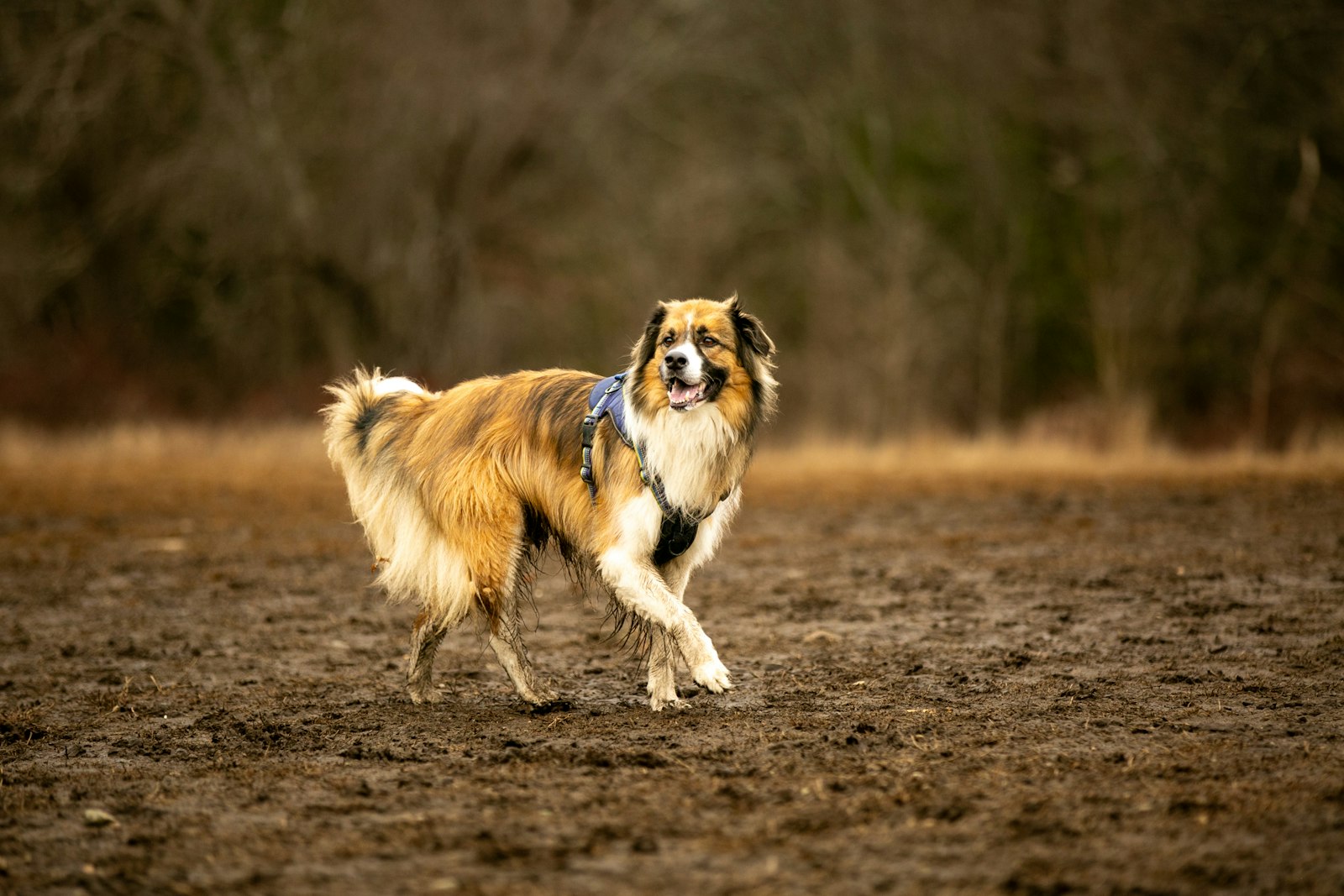
Why fall and winter are hard on paws
Wet ground softens the pads, mud packs between the toes and road salt or de-icers can irritate the skin. Dogs also lick their paws when they are dirty or sore, which can swallow salt and chemicals. A short routine after each walk prevents most problems.
How to clean paws after a walk
- Loosen the dirt: Let mud dry a little and brush off, or rinse with lukewarm water.
- Wash away salt: After walks on salted streets, rinse or wipe with a damp cloth.
- Dry thoroughly: Pat between the toes and pads – moisture that stays can cause irritation.
A paw cleaner cup with soft silicone bristles loosens mud inside the cup, while a no-rinse foam works without water, which is handy on the go.
Protecting paws from salt, ice and cold
- Paw balm: A dog-safe balm can protect dry or cracked pads; apply it before walks and use only products made for dogs.
- Boots: They help on heavily salted or icy surfaces, but they must fit well and need some practice.
- Trim fur between the toes: It keeps ice balls and mud from sticking.
- Choose your route: Where possible, avoid heavily salted sidewalks.
What to check every few days
Look at the pads, the spaces between the toes and the nails: cracks, redness, swelling, small cuts, burrs or splinters should not be ignored. Constant licking or chewing at the paws is another warning sign.
When to see a vet
Ask your vet if your dog limps for more than a day, if pads bleed or crack deeply, if you notice swelling, a bad smell or discharge, or if your dog suddenly licks its paws constantly.
📌 Quick checklist
Our tip
Make cleaning part of the routine: keep the cup or foam by the door, give a small treat and finish with a quick towel dry. Most dogs get used to it within a few days.
Frequently asked questions
Rinse or wipe off mud and salt, then dry between the toes and pads. A paw-cleaning cup, a damp cloth or a no-rinse foam all work; the key is to remove dirt and de-icing salt before your dog licks it off.
De-icing salt can irritate paws and may upset the stomach if licked. Wipe or rinse paws after walks on salted streets and call your vet if your dog shows vomiting, drooling or limping.
Not every dog needs boots. They help on heavily salted, icy or very cold surfaces, but they must fit well and your dog has to get used to them first.
A dog-safe paw balm can protect dry or cracked pads. Choose a product made for dogs and ask your vet if the skin is already sore.
If you notice persistent limping, cracks that bleed, swelling, redness, a bad smell or constant licking, ask your vet.